
Cupping Therapy in Massage: Benefits and What to Expect
Cupping therapy is a hands-on technique that may be used as part of a remedial massage treatment. While massage usually applies pressure into the muscles and soft tissues, cupping uses gentle suction to lift the skin and tissues beneath it.
Some people find that cupping provides a feeling of release and helps temporarily reduce muscle tension or discomfort. It may be incorporated into your massage alongside other techniques, depending on your symptoms, preferences and treatment goals.
How Does Cupping Therapy Work?
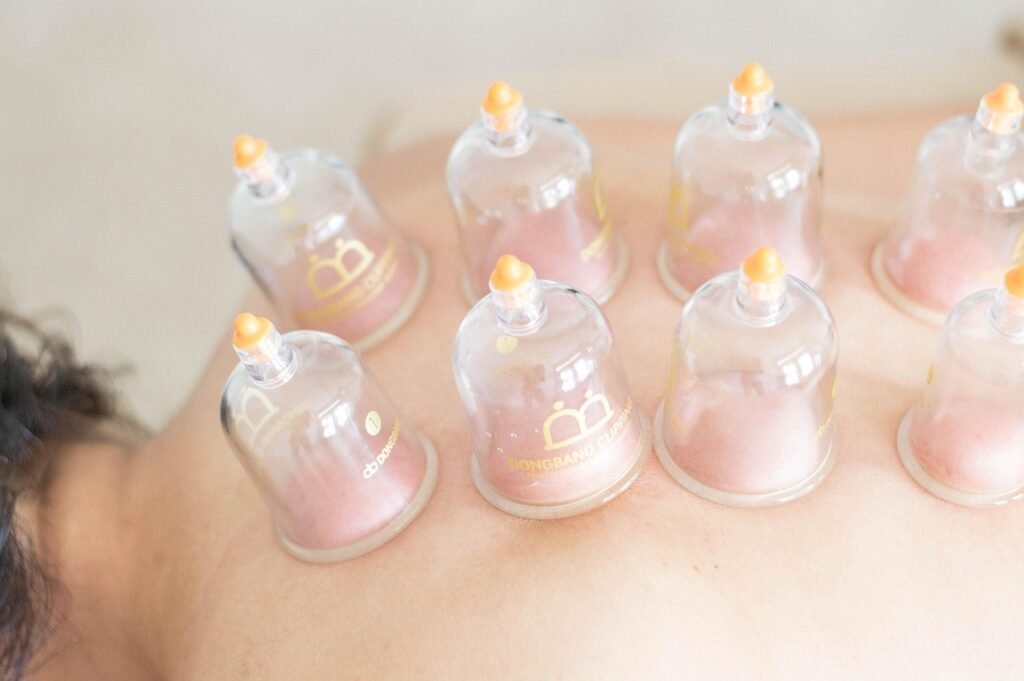
During dry cupping, your therapist places small glass, silicone or plastic cups on the skin and creates a controlled amount of suction. The cups may remain in one position for a short period or be gently moved across the skin.
The suction creates a pulling sensation and temporarily increases blood flow in the local area. Research suggests that dry cupping may provide short-term relief for some types of musculoskeletal pain, although the quality of the evidence varies and it is not clear exactly how the effects occur.
Dry cupping does not involve incisions or bleeding. It differs from wet cupping, which involves breaking the skin and is not part of a standard remedial massage treatment at FutureReady.
What May Cupping Help With?
Cupping therapy may be considered as part of massage treatment for:
Muscle tightness in the back, neck or shoulders
General muscular aches and stiffness
Discomfort associated with repetitive activity or sustained postures
Short-term relief of some musculoskeletal pain
Relaxation and a feeling of reduced tension
Supporting comfortable movement alongside other massage techniques
Responses to cupping vary. Some people enjoy the pulling sensation and experience temporary relief, while others prefer more traditional massage techniques. Cupping is an optional treatment and is not necessary for everyone.
What Does Cupping Feel Like?
Cupping usually creates a pulling or stretching sensation. The pressure should feel tolerable rather than painful, and your therapist can adjust or remove the cups at any time.
Temporary circular marks or bruising-like skin discolouration commonly occur after cupping. The colour and duration can vary, but the marks generally fade over several days. Mild tenderness or skin sensitivity can also occur.
Tell your therapist immediately if the treatment feels painful, produces excessive discomfort or causes skin irritation.
Is Cupping Suitable for Everyone?
Although dry cupping is generally considered low risk when performed appropriately, it is not suitable for every person or every area of the body.
Your therapist will consider your health history, medications and skin condition before treatment. Cupping may need to be avoided or modified if you have:
Broken, irritated or infected skin
Certain inflammatory skin conditions
A bleeding disorder or tendency to bruise easily
Medication that affects bleeding or bruising
Reduced sensation in the treatment area
Another health condition that may affect skin integrity or healing
Let your therapist know about relevant medical conditions, medications or previous reactions before treatment.
A Supportive Addition to Remedial Massage
Cupping can be used as one component of a broader remedial massage treatment rather than as a stand-alone cure. Your therapist may combine it with hands-on massage, movement advice and other strategies based on what is appropriate for you.
If you are curious about cupping therapy massage, speak with your remedial massage therapist. They can explain what to expect, assess whether it is suitable and tailor the treatment to your comfort and goals.