
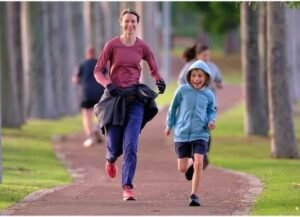
Exercising as a Parent: Tips for Staying Active with Young Children
Exercising as parent of young children presents some unique challenges. Here’s some of my personal experiences: The problem The problem that all adults face when it comes to exercising as a parent is that we are already squeezed for time and energy. The shock of welcoming a child into your family is both joyous and unrelenting. New parents are responsible for a whole small person 24/7 even if they are not physically present the whole time. Mothers additionally deal with physical effects of pregnancy and childbirth. Having a baby affects your whole body. Hopefully you gain a new appreciation for what your body is capable of, along with adjusting to being a different shape and building back any loss of

Gear Up: Unlock Your Best Performance with Preseason Training
Why bother with Preseason training? Preseason provides athletes the opportunity to enhance their fitness and practice skills before the season commences, with the primary objective of improving performance during games. Additionally, preseason plays a crucial role in preparing the body for the demands of a full season of competitive games, reducing the risk of injury. So, how can amateur athletes get the most out of their preseason? Improving Fitness: Start realistically and build steadily Jumping straight into intense preseason training can be tempting, but it is essential to give the body time to adapt to increased training loads. Begin at a volume and intensity that aligns with your current fitness level and progress from there. Especially if you had

Exercising With Pain: When Is It Safe to Continue?
Is it safe to exercise with pain? Learn how acute pain, persistent pain and post-exercise soreness require different approaches.

How Sleep Affects Health and Pain
The Importance of Sleep for health Sleep is something many of us find ourselves constantly chasing. But have you ever wondered how sleep affects health and pain? Imagine if we didn’t need sleep and could stay active and alert around the clock—life would be much easier, right? But why do we actually need sleep, and how much do we need to function at our best? Sleep is essential for cell repair, memory consolidation, hormone regulation, and immune system strengthening. Therefore, sleep plays a critical role in our overall health and well-being. So, what happens when we don’t get enough of it? The Consequences of Sleep Deprivation Understanding how sleep affects health and pain means looking at what happens when

Living with Arthritis
What is Arthritis? Arthritis is an umbrella term for conditions that cause pain and joint stiffness anywhere in the body, which can be caused by a variety of medical conditions. The most common forms of arthritis are Osteoarthritis (OA) and Rheumatoid arthritis (RA). Many people associate Arthritis as a condition affecting the older generations, however, Arthritis can affect people of all ages. According to Arthritis Australia, 1 in 5 Australians over the age of 45 have OA. What is Osteoarthritis? Osteoarthritis is a progressive degenerative condition affecting mostly the larger joints of the body. Common joints affected by OA include the knee, hip, shoulder and the small joints in the hand. Traditionally we have described OA as ‘wear and

Do You Always Need Surgery for an ACL Injury?
History of ACL Treatment For many years, it has been widely accepted that the best treatment for an ACL rupture is immediate surgery to reconstruct the torn ligament. This view is so common that many people believe surgery is their only option if they wish to return to playing competitive sports after an ACL injury. Historically, doctors, physiotherapists, and other health professionals have held this view, shaping our approach to ACL injuries for years. Initial Assumptions Challenged This belief has been based on the assumption that the ACL cannot heal on its own and that a knee without an ACL would be too unstable to return to sports. In reality, there has never been solid evidence to support these
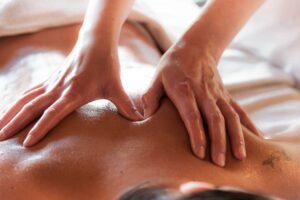
How Often Should You Get a Remedial Massage?
How often should you get a remedial massage? Learn what determines the right frequency, when regular appointments may help and when to seek assessment.

The Growing Musculoskeletal Health Crisis in WA — and How We Can Reduce Its Impact
If we start paying attention to musculoskeletal health now, we can make a real difference — not only in how our state handles this growing issue, but in how each of us lives and moves in the years ahead.
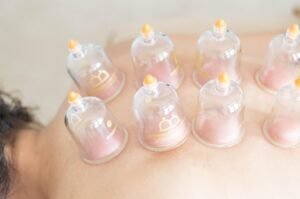
Cupping Therapy in Massage: Benefits and What to Expect
Curious about cupping therapy massage? Learn how dry cupping is used alongside remedial massage, what it may help with and what to expect during and after treatment.
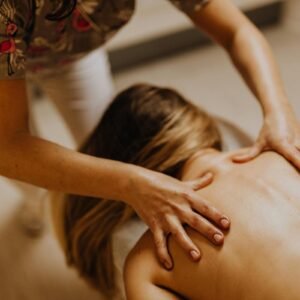
Remedial Massage vs Physiotherapy: Which to Choose?
Remedial massage vs physiotherapy: what’s the difference? Learn what each service offers, when to choose one and when they may complement each other.
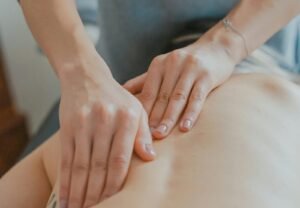
5 Benefits of Remedial Massage in Bentley
Discover five potential benefits of remedial massage, from easing muscular tension and stiffness to supporting relaxation, comfortable movement and recovery.

Physiotherapy and Lifestyle Medicine | FutureReady
Physiotherapy and lifestyle medicine can work together to support movement, strength and long-term wellbeing through practical, sustainable changes.
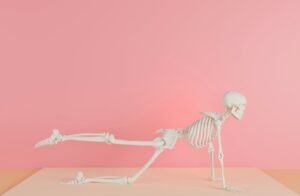
Strong Bones at Every Age: The Best Exercise for Bone Health
What is the best exercise for bone health? Learn how impact exercise, strength training and nutrition support bone density – and how to start safely.

Perimenopause and Sleep: Why Rest Can Become More Difficult
Every woman experiences perimenopause and menopause differently. However, disrupted sleep and waking without feeling refreshed are common – and often frustrating – symptoms during this stage of life. Hormonal changes, hot flushes, night sweats, stress, pain and changes in mood can all affect sleep. Poor sleep may then contribute to daytime fatigue, difficulty concentrating, headaches, changes in mood and reduced motivation to exercise. What is sleep fragmentation? Sleep fragmentation occurs when repeated awakenings or brief arousals interrupt the normal flow of sleep. Some awakenings are obvious, while others are so brief that you may not remember them the next morning. Even if you feel that you slept through the night, fragmented sleep can prevent you from spending enough uninterrupted
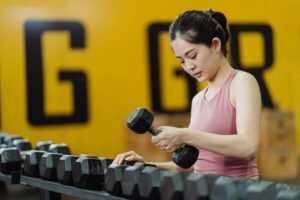
Strength Training for Women Over 40: How to Start
Strength training for women over 40 supports muscle, bone health and everyday function. Learn what counts, overcome common barriers and find a safe place to start.

Exercise for Bone Health During Menopause
Exercise for bone health during menopause should include progressive strength, weight-bearing impact and balance training. Learn how to begin safely.

Musculoskeletal Syndrome of Menopause and Physio
The musculoskeletal syndrome of menopause describes common changes involving pain, muscles, bones and joints. Learn how physiotherapy may help during midlife.