
Changing Sports or Exercise? How to Avoid Overload Injuries
Changing sports or starting a new exercise routine? Your body needs time to adapt to different demands. Matt shares practical tips on managing training load, allowing recovery and avoiding those frustrating niggles that can turn into injuries.

Running… for the long run
Running has plenty of benefits, but myths about joint damage and injury can stop people from giving it a go. Senior Physio Traci looks at some common running misconceptions, why injuries happen, and how the right approach can help keep you running for the long run.

How to Stick to an Exercise Plan Beyond January
Starting a new fitness plan? Learn how to avoid injury, set realistic expectations and create a practical structure that helps your healthy habits last beyond January.

How to Choose an Exercise Program That Suits You
Wondering how to choose an exercise program you’ll actually maintain? Consider your goals, preferences, recovery needs and what has worked for you before.

Hamstring Injury Recovery & Return to Sport
Learn how hamstring injuries are assessed and rehabilitated, what reduces reinjury risk and when it may be safe to return to sport.

Strength Training for a Healthy Heart: Build Muscle, Boost Cardiovascular Health
Strength training isn’t just about building muscle — it’s great for your heart too! Discover how resistance exercise can improve cardiovascular health, support healthy ageing and reduce your risk of heart disease, plus practical tips for getting started.

Exercising With Osteoarthritis: Is Some Pain Okay?
It’s normal to experience some discomfort when exercising with osteoarthritis – and it doesn’t necessarily mean you’re damaging your joints. Learn how to exercise safely, manage flare-ups and build your own pain-management toolbox.
Sprain vs Strain: What’s the Difference?
Sprain vs strain: what’s the difference? Learn which tissues are affected, common symptoms, expected recovery and when your injury should be assessed.
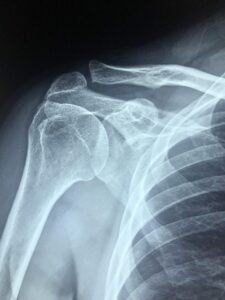
When Do You Need an X-Ray, MRI or Other Scan?
When do you need a scan for muscle or joint pain? Learn when an X-ray, MRI, CT or ultrasound may help – and why scan findings always need clinical context.

Remedial Massage vs Physiotherapy: Which to Choose?
Remedial massage vs physiotherapy: what’s the difference? Learn what each service offers, when to choose one and when they may complement each other.

Physiotherapy for Neck-Related Headaches
Physiotherapy may help neck-related headaches. Learn what assessment and treatment involve, and which symptoms require urgent medical care.

Whiplash Recovery and Physiotherapy | FutureReady
Learn what whiplash is, common symptoms, recovery timelines and how physiotherapy supports an active return to movement after a car accident.

Sleep Hygiene Tips for Better Sleep | FutureReady
Try practical sleep hygiene tips for bedtime and morning. Small, consistent habits can support better sleep, energy and recovery.

How Sleep Affects Health and Pain
Sleep plays a vital role in our health, recovery and how we experience pain. Discover how poor sleep can affect your body, why pain and sleep are so closely connected, and how simple changes to your sleep habits and sleeping position may help you feel and function better.
Strength Training for a Healthy Heart: Build Muscle, Boost Cardiovascular Health
Strength training isn’t just about building muscle — it’s great for your heart too! Discover how resistance exercise can improve cardiovascular health, support healthy ageing and reduce your risk of heart disease, plus practical tips for getting started.
Strong Bones at Every Age: The Best Exercise for Bone Health
What is the best exercise for bone health? Learn how impact exercise, strength training and nutrition support bone density – and how to start safely.

Perimenopause and Sleep: Why Rest Can Become More Difficult
Every woman experiences perimenopause and menopause differently. However, disrupted sleep and waking without feeling refreshed are common – and often frustrating – symptoms during this stage of life.Hormonal changes, hot flushes, night sweats, stress, pain and changes in mood can all affect sleep. Poor sleep may then contribute to daytime fatigue, difficulty concentrating, headaches, changes in mood and reduced motivation to exercise. What is sleep fragmentation?Sleep fragmentation occurs when repeated awakenings or brief arousals interrupt the normal flow of sleep. Some awakenings are obvious, while others are so brief that you may not remember them the next morning.Even if you feel that you slept through the night, fragmented sleep can prevent you from spending enough uninterrupted time in the different stages

Strength Training for Women Over 40: How to Start
Strength training for women over 40 supports muscle, bone health and everyday function. Learn what counts, overcome common barriers and find a safe place to start.

Exercise for Bone Health During Menopause
Exercise for bone health during menopause should include progressive strength, weight-bearing impact and balance training. Learn how to begin safely.

Musculoskeletal Syndrome of Menopause and Physio
The musculoskeletal syndrome of menopause describes common changes involving pain, muscles, bones and joints. Learn how physiotherapy may help during midlife.