Season of Change: Transitioning Sports or Starting Something New
As I sit down to write this blog, it’s the time of year in Perth when the weather is warming up and people’s exercise routines are changing. The summer sports season is starting, while the warmer weather and longer days are also getting more of us out running, swimming and cycling for exercise.
The majority of popular team sports in Australia have their main season during winter, so a lot of us are looking for alternative ways to stay fit over summer. If this is you, keep reading for advice on managing this transition period. And make sure to check out our upcoming Maximise Your Offseason blog for some extra tips!
Whether you’re getting back into a seasonal sport you’ve played your whole life or trying something completely new, there’s still a transition period for your body. So, no matter what time of year you’re reading this, if you’re changing your exercise routine, this blog is for you!
Your Body’s Ability to Adapt
Our bodies are designed to adapt to our needs. When we increase stress or load on a tissue, our body responds by strengthening that area to better handle the new load.
Stress + Recovery = Adaptation
Adaptation is the process that allows our muscles to get stronger and fitter with training, but it also needs to occur in other tissues of the body, particularly bones, joints and tendons.
This sounds simple enough, but there are two points that muddy the water a little, particularly when our exercise routine is changing:
Different structures adapt at different rates
There are a variety of factors at play here, but as a general rule, muscles adapt relatively quickly, bones can take longer, and tendons are notoriously (and annoyingly) slow to adapt to increases in load.
Different activities load our tissues in different ways
There are obvious differences when comparing an upper body-heavy sport like swimming or cricket to a kicking sport like soccer, which places much less load on your arms.
But to complicate matters further, different tissues in the body respond to different types of load and exercise. Just because a lower-body activity is hard on your muscles doesn’t necessarily mean it’s placing a high load on your tendons too, and vice versa.
What Happens if My Body Can’t Adapt?
Our bodies have an amazing ability to adapt to change and increases in load — it just takes time.
When you make sudden changes to your type of exercise, increase your training volume too quickly or don’t allow enough recovery between sessions, you can end up overloading your body.
Acute injuries can be more likely when we’re in a state of overload — pulling a muscle after increasing weight at the gym, or rolling an ankle when you’re fatigued at the start of preseason.
But when one structure is overloaded repeatedly over time, it can also lead to an overload injury.
These are the types of injuries that usually come on gradually, without a specific incident you can attribute them to. It might start as a little niggle or just feeling slightly sorer than usual after a session. But that niggle doesn’t go away, and slowly starts getting worse over time.
Despite generally feeling less threatening initially, overload injuries can become stubborn, persistent and tricky to fix. This is partly because they often fly under the radar for a while, and the longer you ignore them, the harder they can become to manage.
This is why it’s so important to approach these transition periods in the right way.
Tips for Transitioning
1. Gradual progression
There’s no perfect formula, but the key is to increase your training load gradually. You may have heard of the 10% rule for weekly increases in volume, intensity or weight. While this can be a useful starting point, it’s not a strict limit that works for everyone.
How quickly you progress should depend on your starting fitness, training history, the type of exercise and how well you’re recovering.
2. Allow recovery
Generally, two sessions per week of the same type of exercise can be a good starting point, at least for the first couple of weeks of transitioning. This allows your body time to recover and adapt between sessions.
BONUS TIP: Consider including a lighter ‘de-load week’ every four weeks to allow extra recovery time, particularly as your training volume builds.
3. Consider the type of exercise
When you change between two very different styles of exercise, it’s a bigger transition for your body, so you need to be more gradual and deliberate with your build-up.
Consider things like upper body vs lower body-heavy activities, straight-line movement vs change of direction, and quick and powerful movements vs long and slow exercise.
4. Deal with your niggles ASAP
Many issues that arise during a transition are easier to manage if dealt with promptly. Similarly, they can become harder to fix the longer you ignore them!
Getting onto niggles as soon as they arise means they’re less likely to affect your training routine.
How Can Your Physio Help?
The more experience you have with transition periods, the more you’ll learn about your own body — what works for you and what the warning signs are.
However, there are still plenty of times you might need guidance, particularly if you’re trying something new. And that’s when your physio can be a great first stop!
Injury Management: When pain or injuries arise, your physio can assess the problem, provide a diagnosis where possible and help you manage it appropriately — hopefully before it significantly affects your training. This may include hands-on treatment, rehab exercises and advice on when reducing your training load is necessary.
Load-Management Plan: If you’re not sure where to start or how to progress, particularly when trying something new, your physio can help you develop a plan and teach you what to look out for if changes are needed.
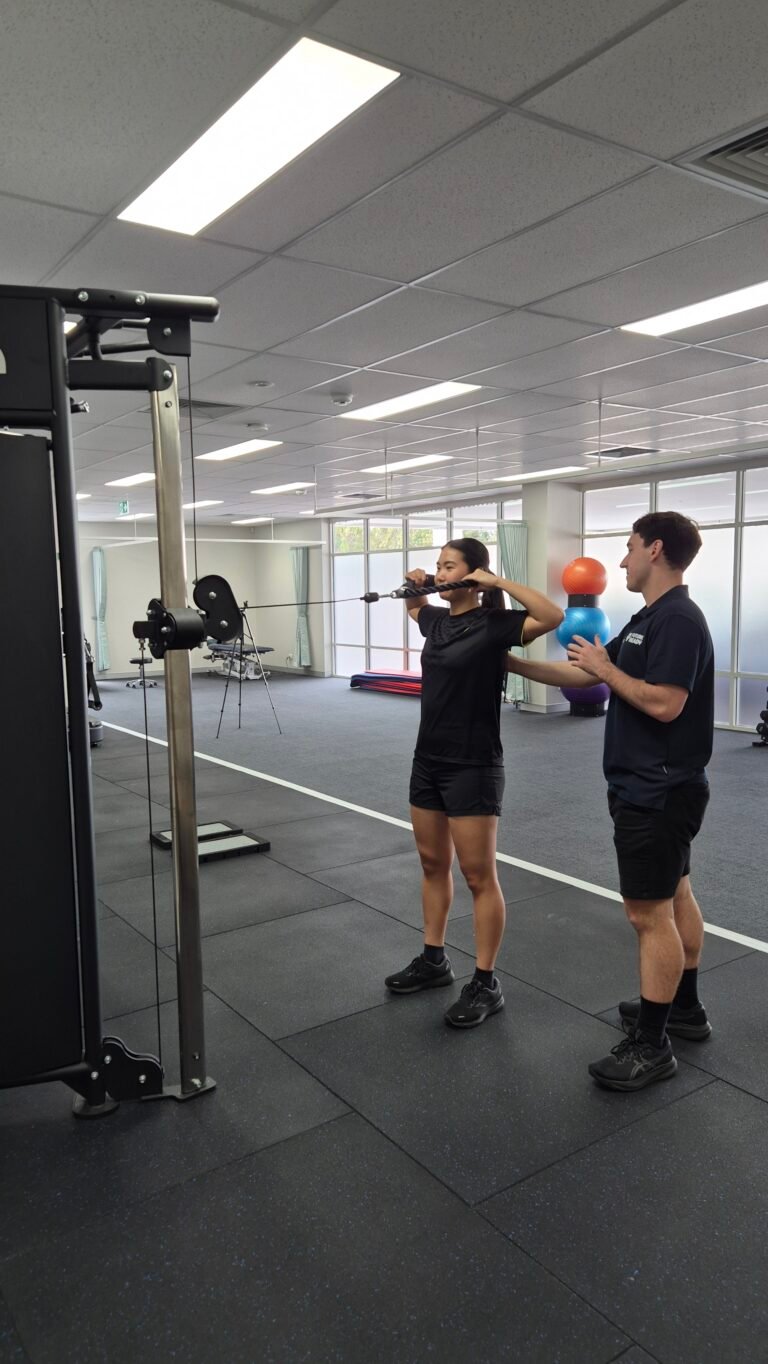
Supplementary Training: There are many reasons why you might benefit from other exercise options to supplement your main training. This might be cross-training to maintain fitness while introducing something new, specific exercises for injury rehabilitation or prevention, or strengthening in the gym to improve performance.
Whatever situation you’re in, your physio can help assess your needs and develop an appropriate exercise plan.
Changing sports or starting something new?
If you’re experiencing pain, dealing with a persistent niggle or would like some guidance on progressing your training, book an appointment with one of our physios at FutureReady Physio & Wellness in Bentley.
We’re here to help you keep moving and get the most out of your sport and exercise.