

Running… for the long run
Running has plenty of benefits, but myths about joint damage and injury can stop people from giving it a go. Senior Physio Traci looks at some common running misconceptions, why injuries happen, and how the right approach can help keep you running for the long run.

How to Stick to an Exercise Plan Beyond January
Starting a new fitness plan? Learn how to avoid injury, set realistic expectations and create a practical structure that helps your healthy habits last beyond January.

How to Choose an Exercise Program That Suits You
Wondering how to choose an exercise program you’ll actually maintain? Consider your goals, preferences, recovery needs and what has worked for you before.

Hamstring Injury Recovery & Return to Sport
Learn how hamstring injuries are assessed and rehabilitated, what reduces reinjury risk and when it may be safe to return to sport.

Exercise for Bone Health: How to Build Stronger Bones at Any Age
Exercise for Bone health is crucial at every stage of life. While we often associate osteoporosis and bone loss with older adults, maintaining strong bones is something we should all prioritise—whether you\’re in your 20s or your 70s. The good news? One of the most effective ways to build and maintain healthy bones is through the right kind of movement. Why Exercise Is Essential for Bone Health Our bones are living tissues that constantly renew themselves. Bone cells are continuously broken down and rebuilt through a natural process called bone remodeling. The rate of this turnover changes as we age: However, this process doesn’t happen on its own. For bones to regenerate effectively, they need two key ingredients: adequate nutrition
Strength Training for a Healthy Heart: Build Muscle, Boost Cardiovascular Health
Heart Health Month February in Australia is Heart Health Month. According to recent data from the Australian Bureau of Statistics (ABS) and the Heart Foundation, approximately 1 in 6 Australians—around 4.2 million people—live with heart disease or a heart-related condition. This encompasses various conditions such as coronary artery disease, heart failure, arrhythmias, and congenital heart defects. Risk Factors for Heart Conditions Heart conditions are influenced by multiple factors, which can be categorized as modifiable and non-modifiable risk factors. Non-modifiable factors, such as age, gender, and genetics, are beyond our control. However, several modifiable risk factors can be addressed to reduce the risk or severity of heart disease. These include physical inactivity, high blood pressure, high cholesterol, diabetes and insulin

Exercising With Osteoarthritis: Is Some Pain Okay?
It’s normal to experience some discomfort when exercising with osteoarthritis – and it doesn’t necessarily mean you’re damaging your joints. Learn how to exercise safely, manage flare-ups and build your own pain-management toolbox.
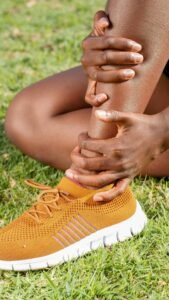
Sprain vs Strain: What’s the Difference?
Sprain vs strain: what’s the difference? Learn which tissues are affected, common symptoms, expected recovery and when your injury should be assessed.
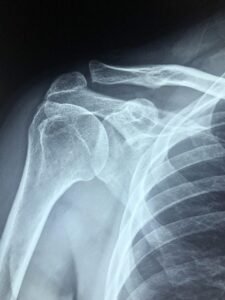
When Do You Need an X-Ray, MRI or Other Scan?
When do you need a scan for muscle or joint pain? Learn when an X-ray, MRI, CT or ultrasound may help – and why scan findings always need clinical context.

Remedial Massage vs Physiotherapy: Which to Choose?
Remedial massage vs physiotherapy: what’s the difference? Learn what each service offers, when to choose one and when they may complement each other.

Physiotherapy for Neck-Related Headaches
Physiotherapy may help neck-related headaches. Learn what assessment and treatment involve, and which symptoms require urgent medical care.

Whiplash Recovery and Physiotherapy | FutureReady
Learn what whiplash is, common symptoms, recovery timelines and how physiotherapy supports an active return to movement after a car accident.

How Often Should You Get a Remedial Massage?
How often should you get a remedial massage? Learn what determines the right frequency, when regular appointments may help and when to seek assessment.

The Growing Musculoskeletal Health Crisis in WA — and How We Can Reduce Its Impact
If we start paying attention to musculoskeletal health now, we can make a real difference — not only in how our state handles this growing issue, but in how each of us lives and moves in the years ahead.
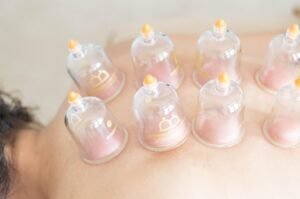
Cupping Therapy in Massage: Benefits and What to Expect
Curious about cupping therapy massage? Learn how dry cupping is used alongside remedial massage, what it may help with and what to expect during and after treatment.
Remedial Massage vs Physiotherapy: Which to Choose?
Remedial massage vs physiotherapy: what’s the difference? Learn what each service offers, when to choose one and when they may complement each other.

5 Benefits of Remedial Massage in Bentley
Discover five potential benefits of remedial massage, from easing muscular tension and stiffness to supporting relaxation, comfortable movement and recovery.

Physiotherapy and Lifestyle Medicine | FutureReady
Physiotherapy and lifestyle medicine can work together to support movement, strength and long-term wellbeing through practical, sustainable changes.
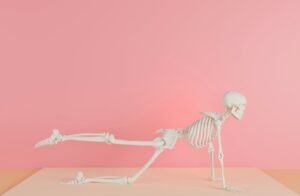
Strong Bones at Every Age: The Best Exercise for Bone Health
What is the best exercise for bone health? Learn how impact exercise, strength training and nutrition support bone density – and how to start safely.

Perimenopause and Sleep: Why Rest Can Become More Difficult
Every woman experiences perimenopause and menopause differently. However, disrupted sleep and waking without feeling refreshed are common – and often frustrating – symptoms during this stage of life. Hormonal changes, hot flushes, night sweats, stress, pain and changes in mood can all affect sleep. Poor sleep may then contribute to daytime fatigue, difficulty concentrating, headaches, changes in mood and reduced motivation to exercise. What is sleep fragmentation? Sleep fragmentation occurs when repeated awakenings or brief arousals interrupt the normal flow of sleep. Some awakenings are obvious, while others are so brief that you may not remember them the next morning. Even if you feel that you slept through the night, fragmented sleep can prevent you from spending enough uninterrupted

Strength Training for Women Over 40: How to Start
Strength training for women over 40 supports muscle, bone health and everyday function. Learn what counts, overcome common barriers and find a safe place to start.

Exercise for Bone Health During Menopause
Exercise for bone health during menopause should include progressive strength, weight-bearing impact and balance training. Learn how to begin safely.

Musculoskeletal Syndrome of Menopause and Physio
The musculoskeletal syndrome of menopause describes common changes involving pain, muscles, bones and joints. Learn how physiotherapy may help during midlife.